A demonstration project designed by Fabrup
An idea. A tote. A working specification.
Passage 01 explores the step between a product idea and a first sample: making the choices explicit enough for a manufacturer to discuss them.
View the deliverables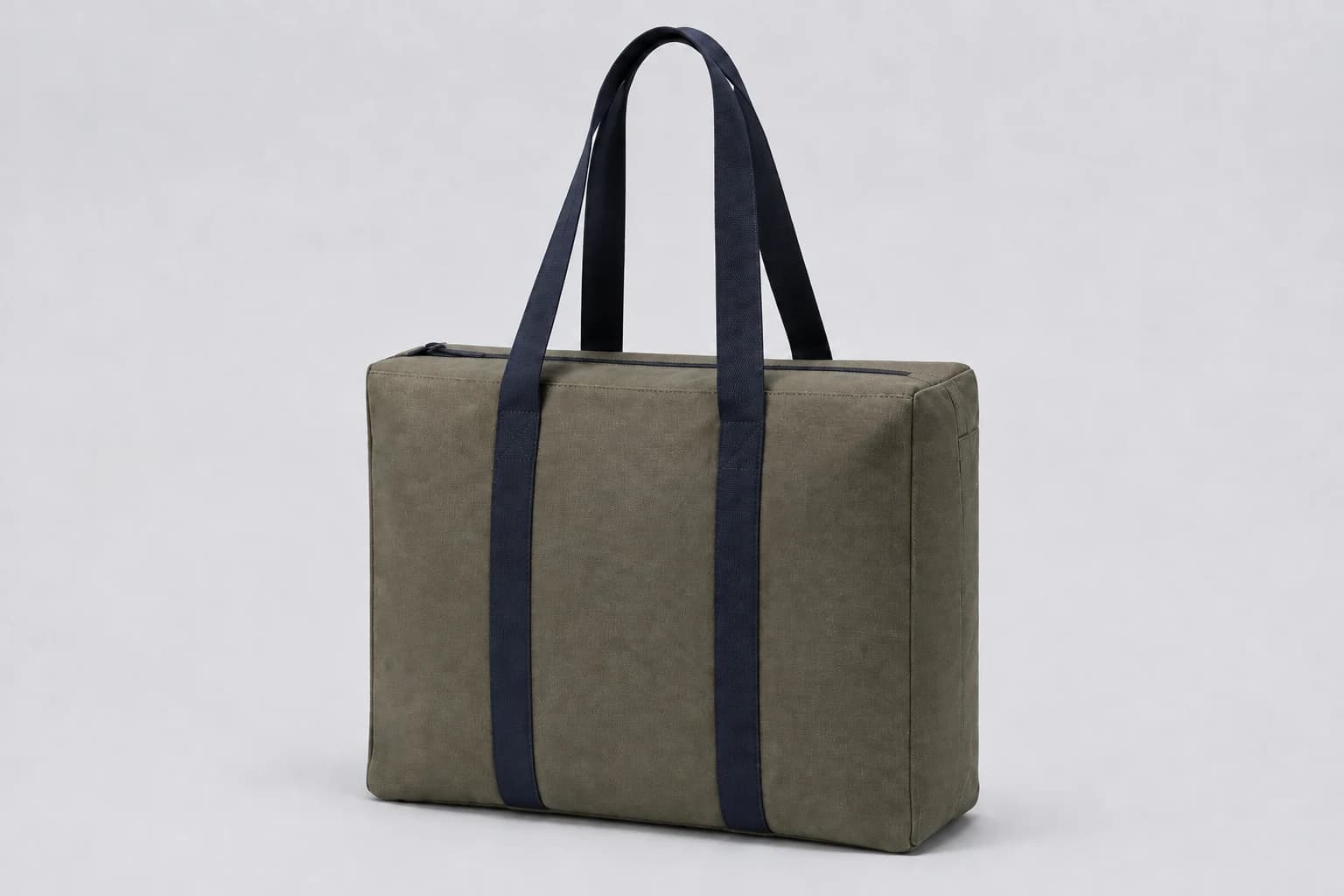
Proposed dimensions and materials, internally checked for consistency. Technical review, cutting patterns and a physical sample remain necessary.
What the service prepares.
Bring an idea, references or a first prototype. We define the brief, visual direction, proposed measurements, materials and construction details for the agreed scope. The pack helps manufacturers identify questions and prepare comparable sample proposals.
You keep the agreed editable files. Specialist review, pattern making, sampling, tests and production coordination are scoped separately. The scope, price and responsibilities are agreed before work begins.
Discuss your starting pointThe starting brief.
A fictional office tote for travelling between home, coworking and meetings. Carry a laptop gauge, A5 notebook and charger, with a zip closure and a light lining.
- Proposed body
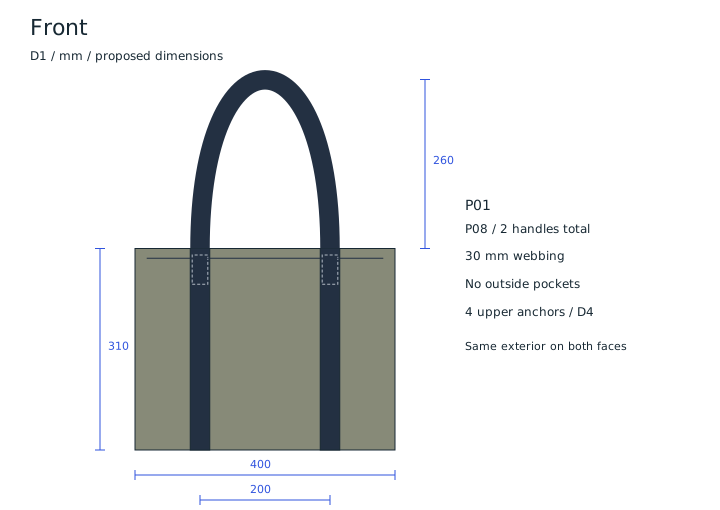
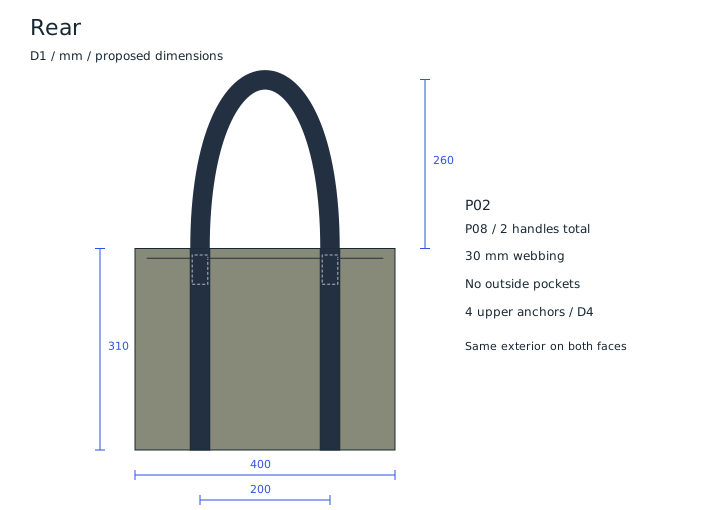
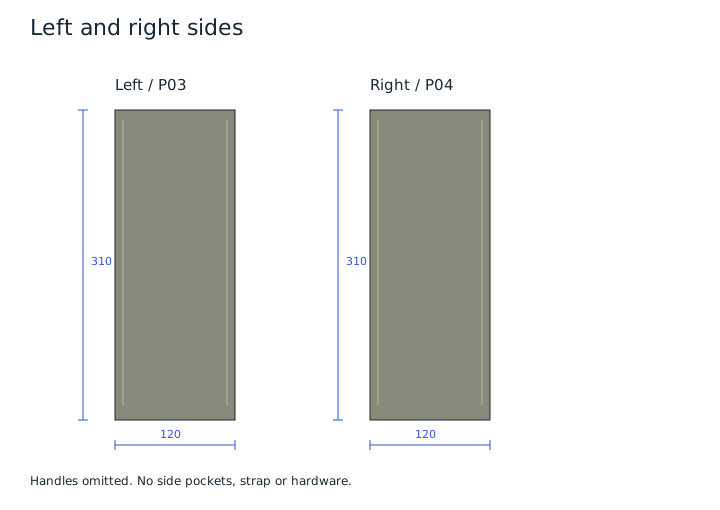
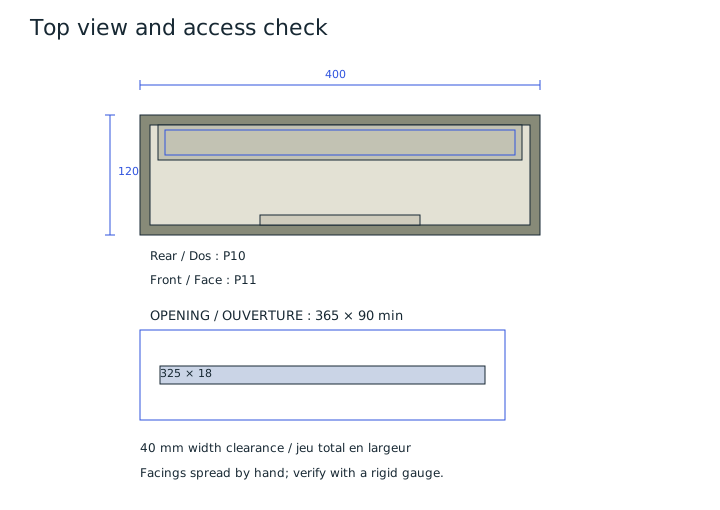
- 400 × 310 × 120 mm
- Laptop test gauge
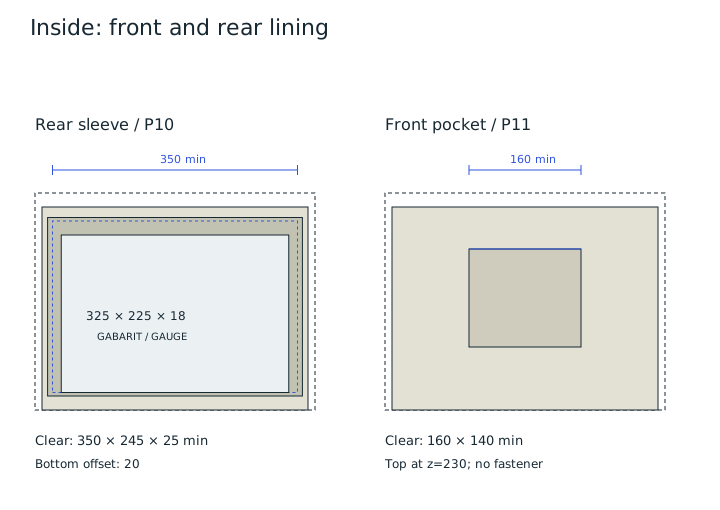
- 325 × 225 × 18 mm
- Useful load target, untested
- 4 kg
Three directions. One restrained design.
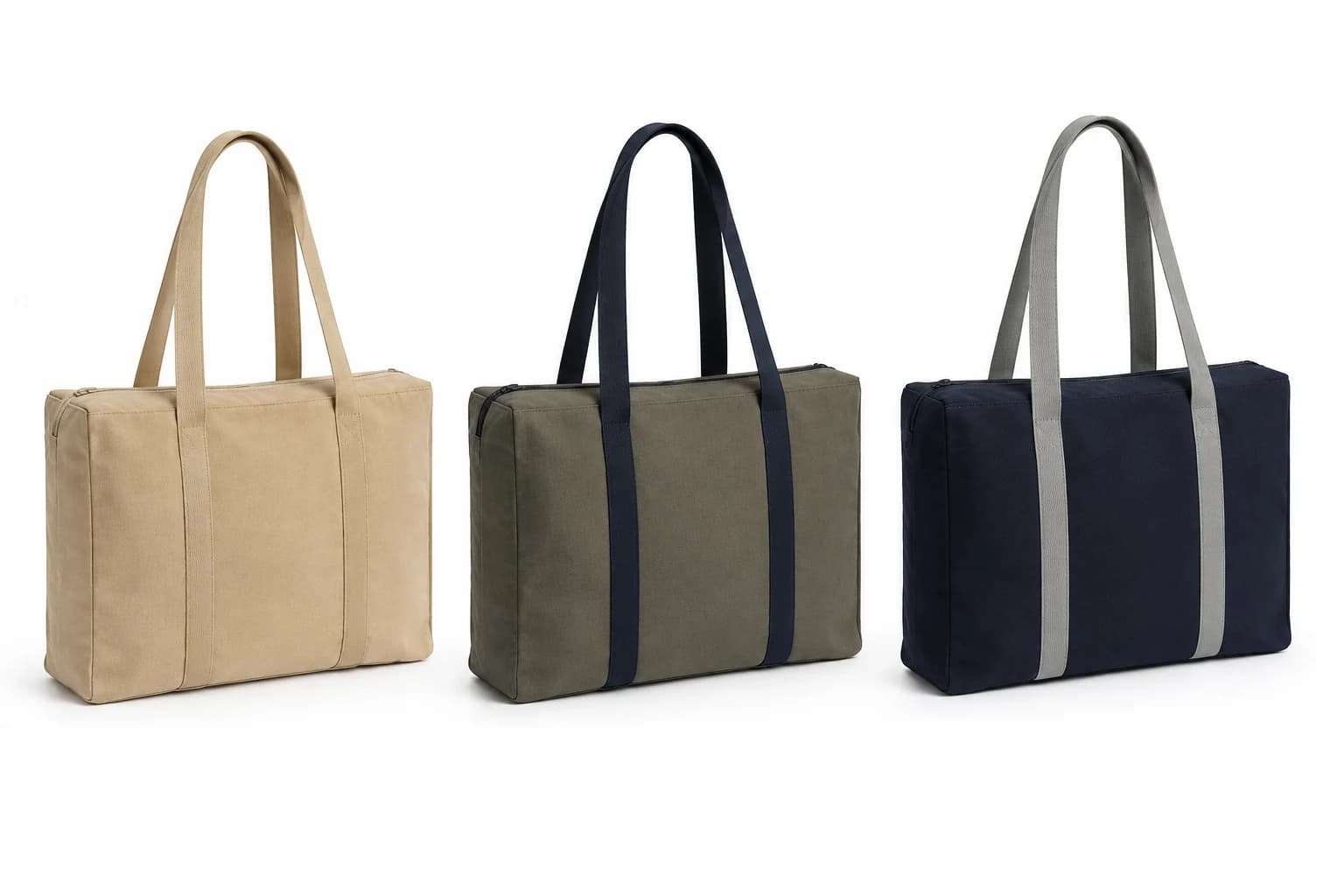
SandWarm and minimal. Light handles may show marks more readily.
Olive + navy, selectedVisible structural straps and a neutral body. Two colour references to check on swatches.
Navy + greyA more formal look, with no additional functional benefit.
The drawings carry the dimensions.
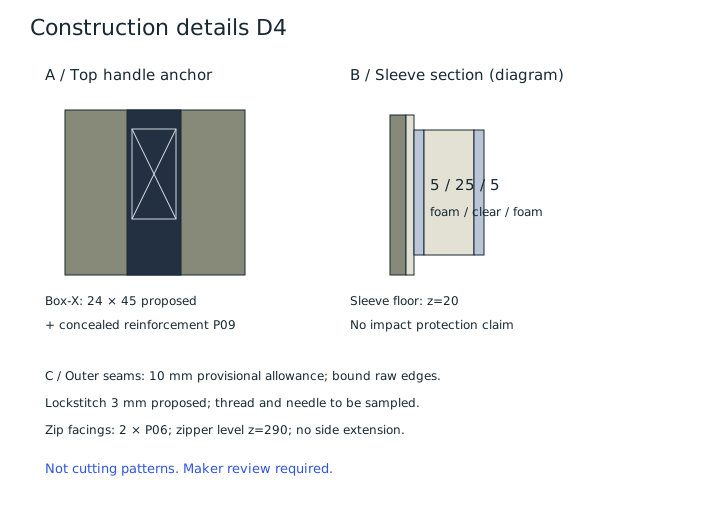
All dimensions are design proposals in millimetres. Open each vector drawing to zoom in. These are specification drawings, not cutting patterns.
A fit calculation, then a real-world check.
The proposed 350 × 245 × 25 mm sleeve leaves 25 mm in width, 20 mm in height and 7 mm in depth around the 325 × 225 × 18 mm gauge. The main opening offers 40 mm of total width clearance.
The arithmetic is checked. Ease of use is still untested: seams, foam, zipper stops and fingers affect insertion. The sample protocol includes ten insertions, loaded closure and proposed carry checks.
Open the complete pack.
18 pages: brief, visual choices, six drawing plates, dimension register, bill of materials, assembly proposal, factory questions and first-sample checks. Revision D1, 8 September 2026.
What happens before manufacturing?
A bag specialist must review the construction and prepare the cutting patterns. The manufacturer must confirm materials and interfaces, then make a sample. Actual measurements and tests will determine corrections. No client, factory approval or industrial validation is claimed in this demonstration.
What are you starting with?
Describe your product, the files you have and what you need to resolve before a sample. We will clarify the scope and whether this service fits your project.